

Whole Beef Tenderloin: What It Is, Why It’s Awesome, and Exactly How to Cook It
The whole beef tenderloin is the most tender cut on the steer, prized for its buttery texture and elegant presentation. Learn how to buy, trim, portion, and cook it (roast, grill, pan-roast, or sous-vide), plus temps, timing, and serving tips—Meat N’ Bone style.
What exactly is a “whole tenderloin”?
Anatomically, the tenderloin is the psoas major—a long, tapered muscle tucked along the backbone under the ribcage. Because it hardly bears weight, it stays exceptionally tender. A whole tenderloin has three sections: butt, center-cut, and tail. The center is the money zone for evenly sized steaks; the tail and butt are perfect for tournedos, kebabs, tartares/carpaccios, or roast trimmings.
PSMO vs. “peeled”
You’ll see tenderloin sold unpeeled, peeled, or PSMO (peeled, side muscle on). PSMO means exterior fat is removed but the silver skin and chain (side muscle) are still attached—you’ll trim those yourself, keep the tips, and save compared to fully cleaned filets.
Why whole tenderloin is a chef’s cheat code
-
Texture royalty: It’s the most tender cut on the steer.
-
Zero guesswork for a crowd: Roast whole and carve—every slice is luxe.
-
Versatility: One piece yields filet mignon, chateaubriand, tournedos, and tenderloin tips (hello, skewers/stir-fry).
-
Minimal trimming waste (and it’s delicious): Trims become steak bites, tartare, or beef Wellington scraps.
-
Premium presentation: Center-cut medallions sear beautifully and plate like a steakhouse.
Buying guide (Meat N’ Bone)
-
USDA Prime Whole Tenderloin (G1 Certified): Dry-aged 30+ days for extra flavor; great value if you’re trimming/portioning yourself.
-
Japanese A5 Wagyu Whole Tenderloin: The ultimate splurge—dense marbling, melt-in-mouth. Certificate of authenticity included.
-
Tenderloin tips/trimmings: Perfect for kebabs or quick sautés.
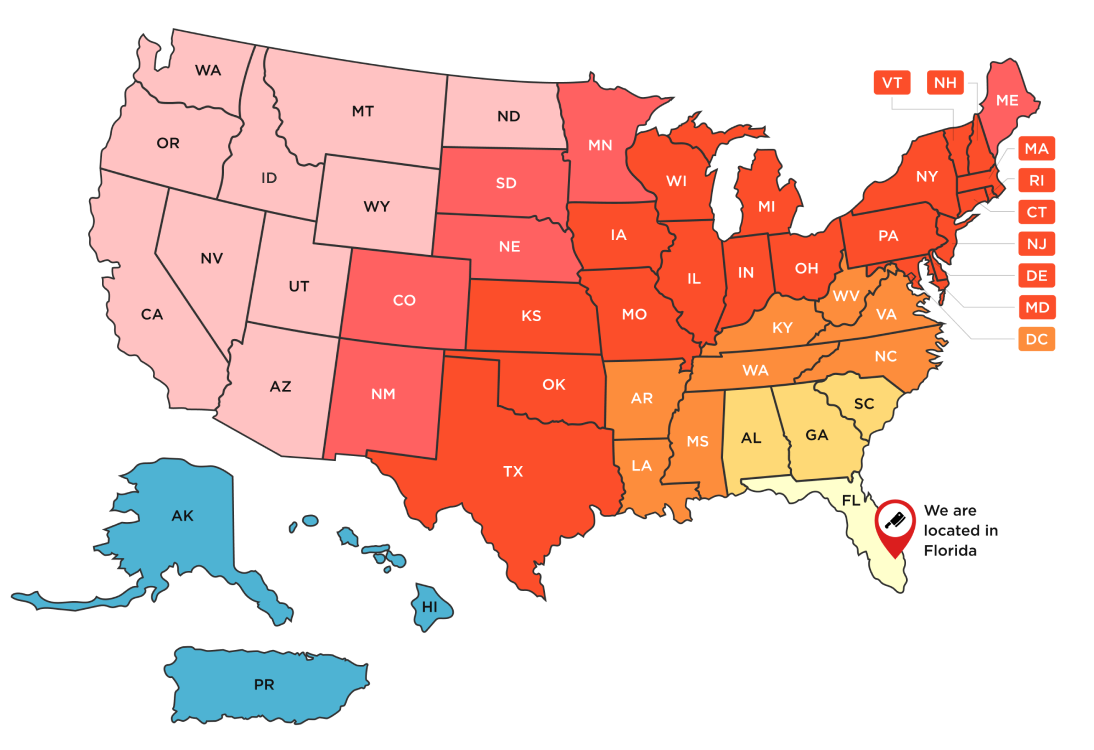
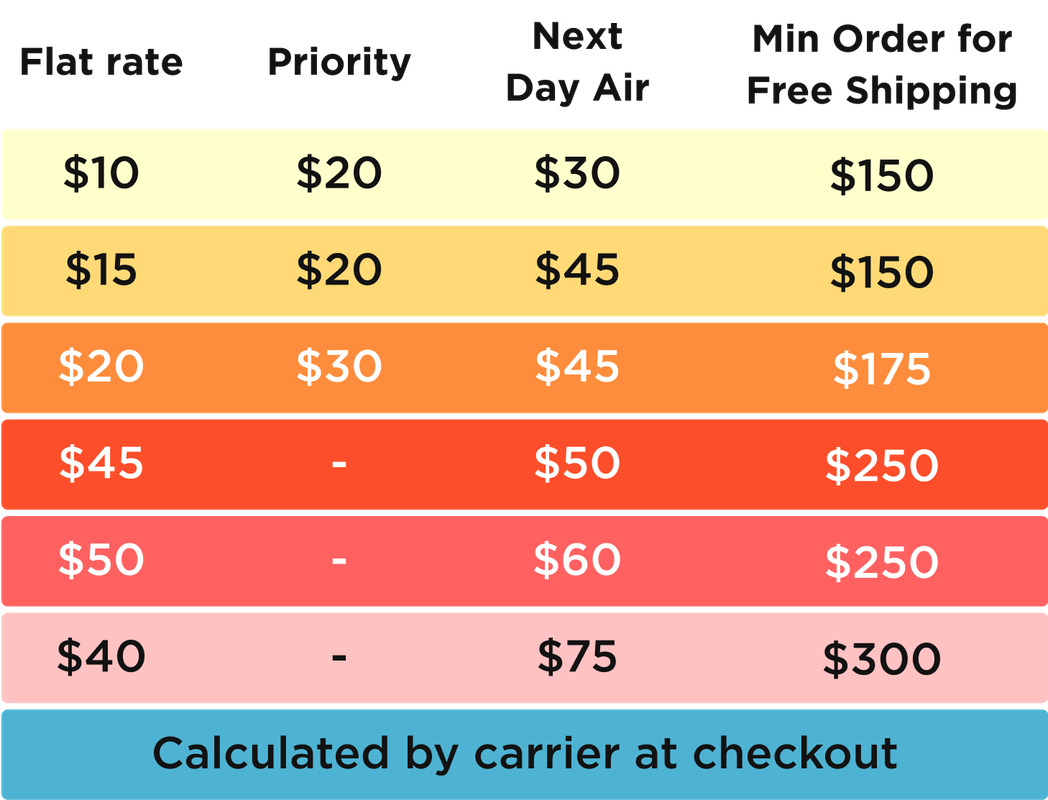
We ship nationwide in insulated boxes with enough coolant to hold temperature for transit, and our boutiques can hand-deliver locally—always following FIFO and strict quality checks.
How to trim a whole tenderloin (quick walkthrough)
-
Remove the chain (side muscle) by hand—save for tips.
-
Peel the silver skin with a sharp boning knife; slide under and lift away in long passes.
-
Square the tail (keep for tournedos) and even the butt.
-
Optional: Tie with butcher’s twine every 1.5–2 in (3–5 cm) so it roasts uniformly.
-
Decide the plan:
-
Roast whole (showstopper), or
-
Portion: center-cut steaks (filets), a 1.5–2 lb chateaubriand from the center, and a pile of perfect tips.
-

Cooking methods (pick your adventure)
Thermometers beat timers. Pull at target temp and rest.
1) Whole-Roasted Tenderloin (classic holiday roast)
-
Prep: Pat dry. Light coat of neutral oil. Season generously with kosher salt + coarse black pepper.
-
Sear (optional but great): 2–3 min per side in a ripping-hot pan or on the grill to build crust.
-
Roast: 275–300°F (135–150°C) to target internal temp (see “Temps & Doneness”).
-
Rest: Tent loosely 10–15 minutes; slice ½–¾-inch medallions.
2) Reverse-Sear (for edge-to-edge pink)
-
Roast low at 225–250°F (105–120°C) until 10–15°F shy of target.
-
Blast sear in a hot pan or 500°F oven/grill 2–3 minutes to finish.
3) Grill-Roasted
-
Two-zone fire: Sear over direct heat, then finish over indirect, covered, rotating occasionally.
4) Pan-Roasted Filets (from your center-cut)
-
Sear 90–120 seconds per side in butter/neutral oil.
-
Finish in a 425°F oven to temp. Baste with butter, garlic, herbs.
5) Sous-Vide (precision)
-
Bag with salt, pepper, and butter.
-
Cook 1.5–3 hours at your preferred bath temp (e.g., 129–133°F for medium-rare feel).
-
Sear hard to finish.
Note: For whole-muscle beef, the USDA’s safety reference for steaks/roasts is 145°F with a 3-minute rest; many chefs serve tenderloin at lower temperatures for preferred doneness/texture. Use your judgment and a calibrated thermometer.
Temps & Doneness (guide)
-
Rare: ~120–125°F (very red center)
-
Medium-rare: ~129–135°F (our house favorite for filets)
-
Medium: ~135–145°F
Always rest before slicing so juices redistribute. If serving a mixed crowd, roast whole to ~130–135°F, rest, and finish individual slices quickly in a hot pan to push portions upward in doneness.
Seasoning & finishing ideas
-
Keep it classic: Salt, pepper, thyme, butter baste, and a quick pan sauce (shallot + demi + butter).
-
Steak au poivre vibes: Coarsely cracked peppercorn crust, cognac cream.
-
Herb crust: Dijon + chopped rosemary/parsley/garlic; roast low, then sear.
-
Truffle night: Finish slices with cultured butter and shaved truffle (especially with A5).
Slicing, serving, and portions
-
Whole roast: Carve into ½–¾-inch medallions across the grain.
-
Portions: Plan 6–8 oz cooked per person for entrée service (filet is rich).
-
Pairings:
-
Sauces: Bordelaise, green peppercorn, chimichurri for brightness.
-
Sides: Pommes purée, roasted mushrooms, asparagus, creamed spinach.
-
Wine: Cabernet Sauvignon, Left-Bank Bordeaux, Brunello; for A5, consider a higher-acid red or Champagne to cut richness.
-
Frequently asked
Is filet mignon the same as tenderloin?
Filet mignon is a steak cut from the tenderloin (typically the narrow end). The chateaubriand is a larger roast cut from the center of the same muscle.
Why is tenderloin expensive?
It’s the smallest primal yield and the most tender, so demand > supply.
What about trimming scraps?
Turn them into tenderloin tips for skewers or quick sautés—minimal waste, maximum flavor.
Shipping & handling?
We vacuum-seal, insulate, and pack with sufficient coolant for transit; local deliveries run via our boutiques; we rotate inventory using FIFO so product quality is consistent.
← Older Post Newer Post →