


IBERICO PORK
"The Greatest Pork In The World"


Iberico Pork is commonly called the “the wagyu” of pork because of its noticeable high marbling. This is due to the breed of the pork (Iberian) and how they are raised. We source these pork chops from the very best farms in Spain.
To be called "Iberico" it must be from black Iberian pigs and raised in Portugal or Spain. We work with different farms like Farm “Vera Vieja” which is located in Retamal de Llerena (Badajoz, Spain). This farm stretches over a vast and rich pasture which provides these pigs with the highest quality acorns and grass to graze on.
At the end of the day, it is all about the genetics, the feed and the lifestyle of the pork. These pigs are raised using humane practices and allowed to roam freely and happily. This results in a slower growing animal, making Iberico pork much more expensive than any factory-farmed pork you'll find at your local grocery store. The difference is not only in the ethics, but's it's something you can taste. Iberico pork is far tastier and healthier.
A UNIQUE BREED
Jamon Iberico is made from Iberian Pigs and Iberian pigs are NOT your average pigs. The origin of the Iberico pig goes as far back to the time cavemen roamed Europe. There are written accounts about the quality of Iberian pigs that date back to the year 77 AC!
Iberico hogs are huge; they can weight up to 430 pounds. They have slender legs, a very long snout and are dark grey with very little hair. Their hooves are black as night, which is where the term "Pata Negra" comes from.
Iberico Pigs also have more robust digestive systems, allowing them to transform their diverse diet (which includes acorns) into heart-healthy fats.
Their larger size and thick layer of fat makes Iberico Pigs ideal for making ham because they can be cured for much longer. This results in a very intense, oily and complex flavor that is simply unparalleled.
FED JUST RIGHT
The very best ham comes from pig that are fed acorns (bellota) and is referred to as jamon de bellota.
An oak tree can produce, on average, about 44 lbs of annual acorns. To ensure a sufficient food supply, strict guidelines apply to these farming practices, and a minimum of 1 hectare per pig is required. The pigs raised this way are called "100% acorn fed". But they are a minority making them even more highly prized...
Most Jamon Iberico is not acorn-fed. It is made from Iberico pigs who live normal pig lives eating corn and other feed. It is still an excellent ham, benefiting from the noble lineage of the Iberico pig.
Those pigs who are destined for Bellota status, are sent to roam on natural pasture that cover large expanses of central and southwestern Spain called "The Dehesa".
These natural ecosystems, dotted with holm oak trees provide grasses, grains, tubers, insects, and wild mushrooms, as well as an abundance of acorns (bellotas), that Ibérico pigs consume in great quantities. All of this sets the Ibérico bellota hams apart from other categories of cured pork products.
BUY IBERICO PORK
We carry an amazing variety of Iberico Pork, including bone-in, boneless, chorizo, baby back ribs, tenderloin, freshly carved jamon serrano, and more.
Some filters could not be applied and were reset.
-
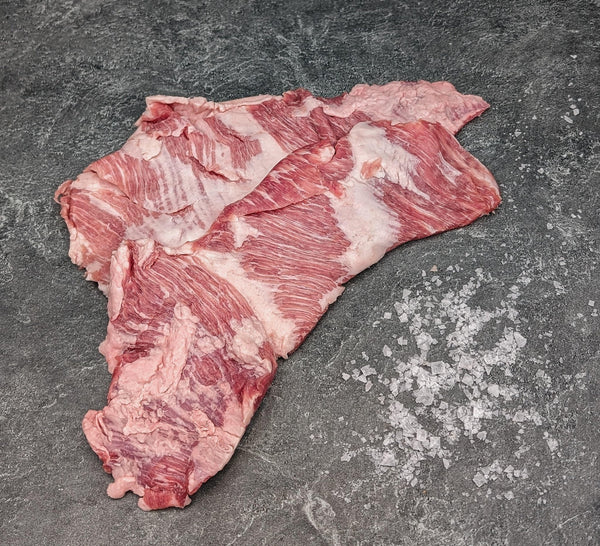 Secreto Iberico $69.99 Add to cart
-
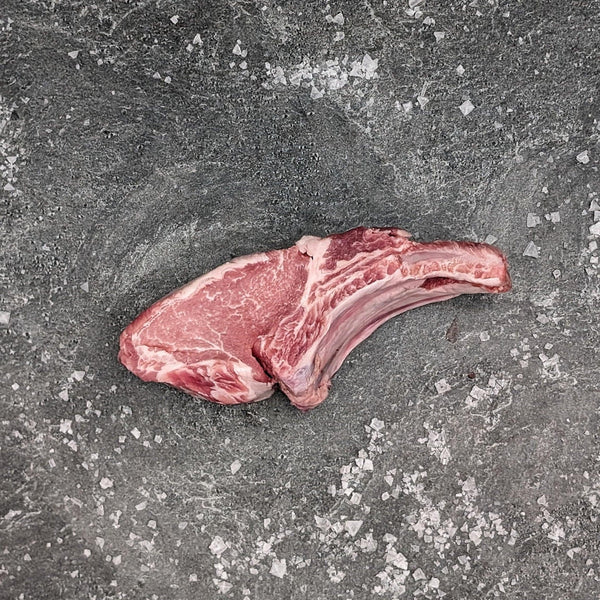 Iberico Bone-In Double Pork Chop $44.99
-
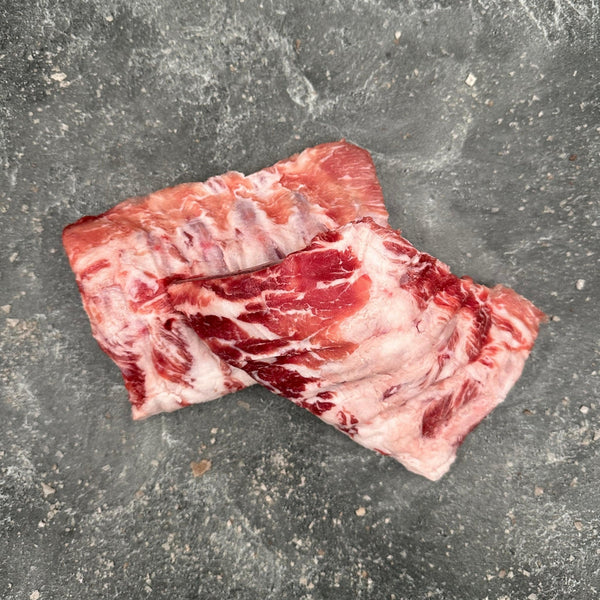 Iberico Baby Back Pork Ribs $43.99
-
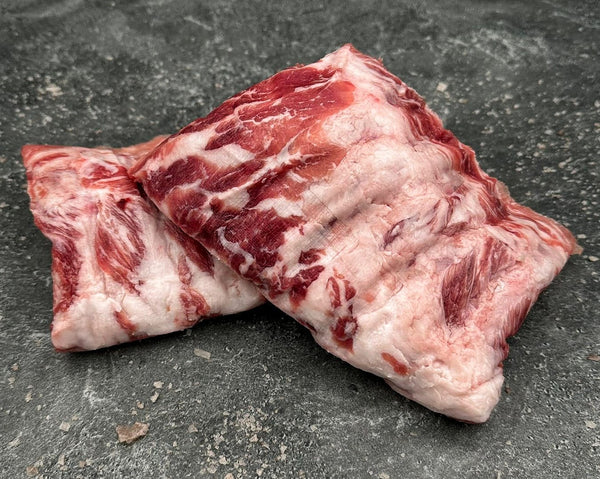 Iberico St Louis Pork Ribs $45.99 Add to cart
-
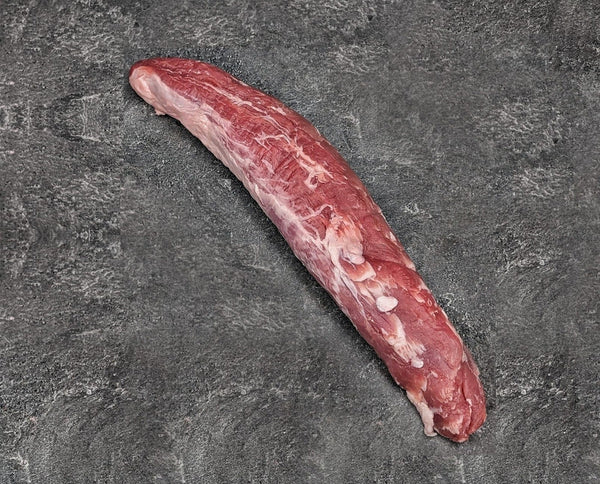 Iberico Pork Tenderloin $31.99
-
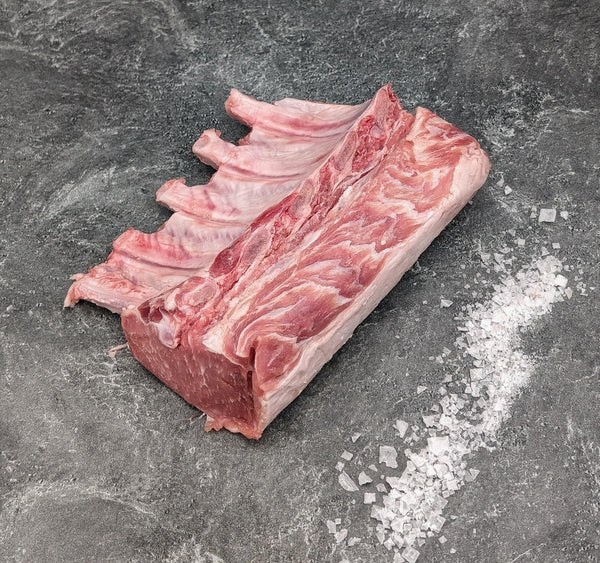 Iberico de Bellota Pork Rib Rack | Prime Rib of Pork $65.99 Add to cart
-
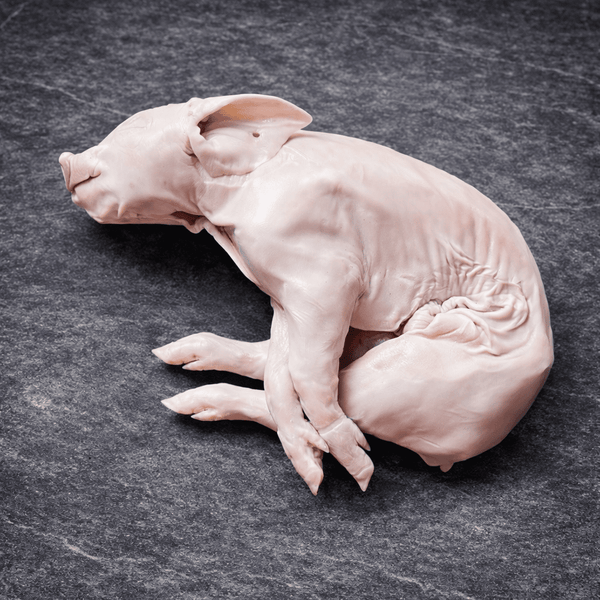 Spanish Cochinillo | Suckling Pig $131.99 Add to cart
-
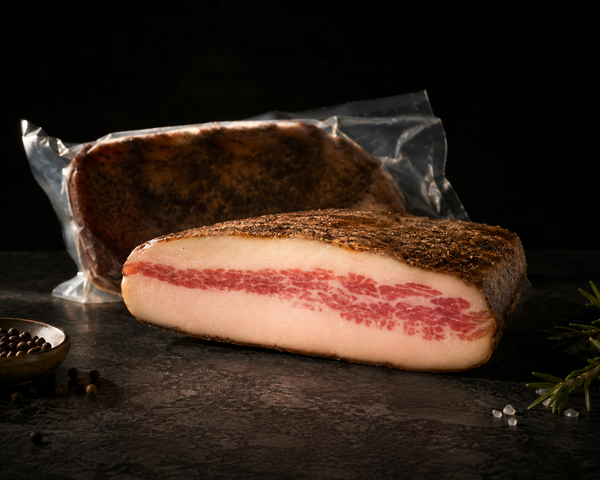 Sold out Iberico Guanciale – Cured Pork Jowl $48.99
About Learn more about Iberico Pork
Shop authentic Spanish Iberico Pork, commonly called the wagyu of pork at Meat N' Bone. Discover premium Iberico Pork cuts like secreto, pluma, ribs, & iberico pork chops. Ethically sourced pigs, delivered nationwide for gourmet cooking & BBQ.
Questions
What is Iberico Pork?
Iberico Pork is commonly called the wagyu of pork because of its noticeable high marbling. It comes from black Iberian pigs raised in Portugal or Spain using humane practices. These pigs are allowed to roam freely and graze on high-quality acorns and grass, resulting in meat that is tastier and healthier than factory-farmed pork.
Why is Iberico Pork more expensive?
Iberico pork is more expensive because of the genetics, feed, and lifestyle of the pigs. These animals are raised using humane practices and allowed to roam freely, which results in slower growth and superior quality. The unique breed and feeding practices, particularly acorn-fed (bellota) programs, contribute to the premium pricing.
What are the characteristics of Iberian pigs?
Iberian pigs are a unique breed that can weigh up to 430 pounds. They have slender legs, a very long snout, are dark grey with very little hair, and have black hooves (which is where the term Pata Negra comes from). They have more robust digestive systems that allow them to transform their diverse diet, including acorns, into heart-healthy fats.
Show 7 more questions Show fewer questions
What is Jamon de Bellota?
Jamon de Bellota is ham made from Iberian pigs that are fed exclusively on acorns (bellota). These pigs are raised on natural pasture in The Dehesa region of central and southwestern Spain, where they consume acorns, grasses, grains, tubers, insects, and wild mushrooms. This results in a very intense, oily, and complex flavor that is highly prized.
Where does Meat N' Bone source its Iberico Pork?
Meat N' Bone sources Iberico Pork from the very best farms in Spain, including Farm Vera Vieja located in Retamal de Llerena (Badajoz, Spain). This farm stretches over vast and rich pasture that provides pigs with the highest quality acorns and grass to graze on.
What cuts of Iberico Pork does Meat N' Bone offer?
Meat N' Bone carries an amazing variety of Iberico Pork including bone-in cuts, boneless cuts, chorizo, baby back ribs, tenderloin, and freshly carved jamon serrano. All products are sourced from premium Spanish farms and delivered nationwide.
How is Iberico Pork different from regular pork?
Iberico Pork differs from regular pork due to the breed genetics, feeding practices, and lifestyle of the animals. The high marbling content, heart-healthy fats, and superior flavor profile make it distinctly different from factory-farmed pork. The slower growth rate and humane raising practices also contribute to the quality difference.
What is the history of Iberian pigs?
The origin of the Iberico pig goes back as far as the time cavemen roamed Europe. There are written accounts about the quality of Iberian pigs that date back to the year 77 AC, making them one of the oldest and most respected pig breeds in the world.
How much acorn does an oak tree produce annually?
An oak tree can produce, on average, about 44 pounds of annual acorns. To ensure a sufficient food supply for acorn-fed (bellota) pigs, strict guidelines apply to farming practices, and a minimum of 1 hectare per pig is required.
What is The Dehesa?
The Dehesa is a natural ecosystem dotted with holm oak trees that covers large expanses of central and southwestern Spain. These natural pastures provide grasses, grains, tubers, insects, wild mushrooms, and an abundance of acorns (bellotas) that Ibérico pigs consume in great quantities, setting Ibérico bellota hams apart from other cured pork products.
