


How Long to Grill Everything: A Real Time-and-Temp Guide for Steak, Burgers, Brisket, and Potatoes
"How long do I grill this?" is the wrong first question. A 1-inch ribeye and a 1.5-inch ribeye need different time on the grate even from the same animal, and two steaks of identical thickness can cook at different rates depending on fat content and how cold they were going in. The number that actually tells you when meat is done is internal temperature, not minutes on a clock.
The Only Tool That Actually Matters: Internal Temperature, Not the Clock
The USDA's minimum safe internal temperature for whole-muscle beef is 145°F, measured at the center of the cut, followed by a 3-minute rest. That's a hard rule, not a preference. Where things get more personal: a lot of steakhouses and home cooks pull ribeye, NY strip, and filet mignon at 130-135°F for a warm red center, which sits below that USDA number. Whole-muscle steaks carry a different risk profile than ground beef, since bacteria on an intact steak live mostly on the surface, right where a hard sear reaches them.
Ground beef doesn't work the same way. Grinding mixes any surface bacteria through the entire patty, which is why the USDA's safe minimum for burgers is 160°F, with no lower personal-preference version of that number. We'll come back to that in the burger section.
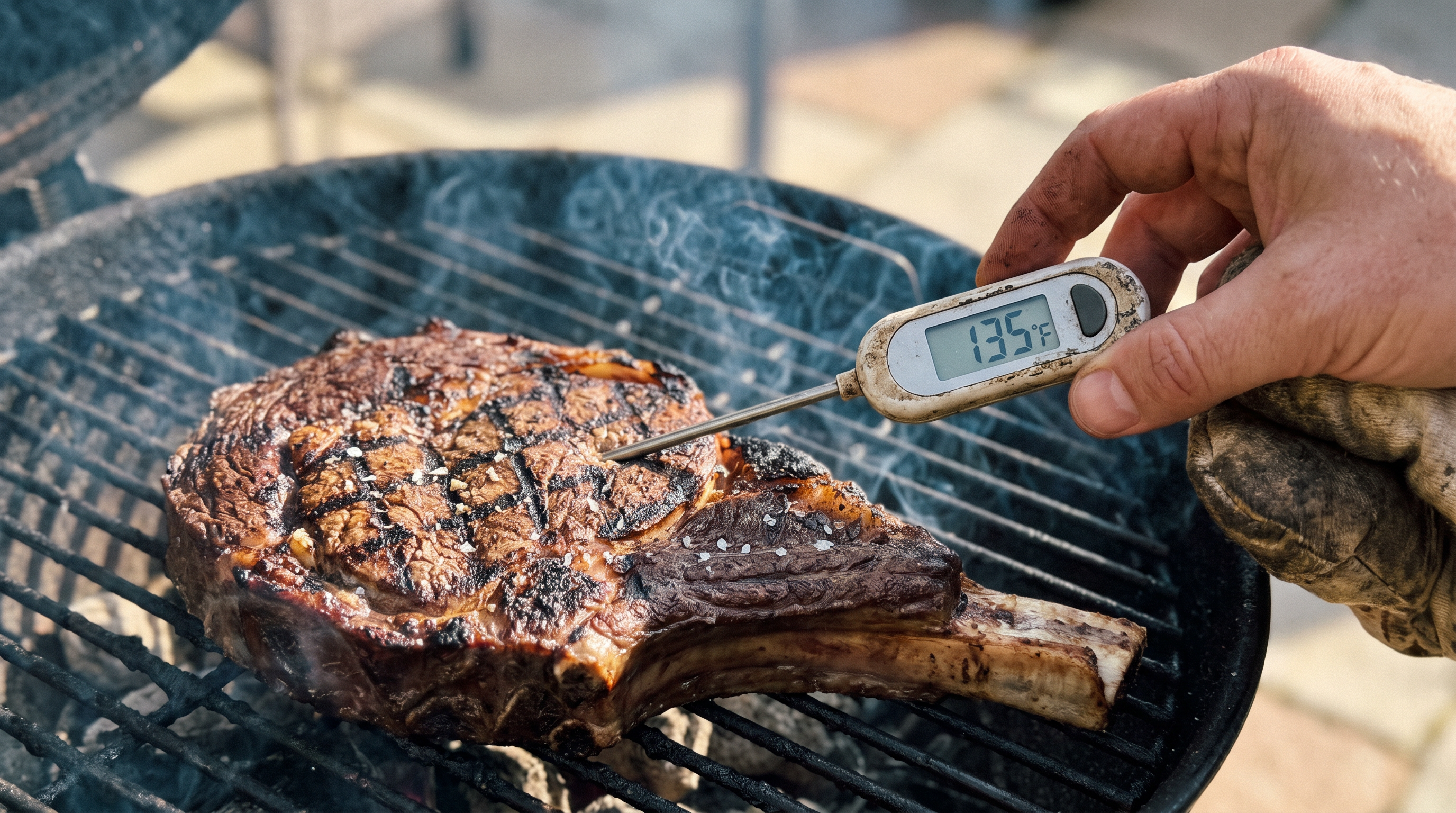
Whatever cut you're working with, an instant-read thermometer inserted into the thickest part, away from bone or a fat pocket, is the only accurate read you'll get. Grill temperature swings, wind, lid-open habits, and how cold the meat was when it hit the grate all change cook time. None of that changes what 135°F means inside the meat.
Grill time is a guess. Internal temp is the answer.
How Long to Cook a Steak on the Grill (Ribeye, NY Strip, Filet Mignon Times by Thickness)
Thickness drives grill time more than which of these three cuts you're holding. As a starting reference over direct high heat:
-
1-inch ribeye or NY strip: about 4 to 5 minutes per side, roughly 8 to 10 minutes total, pulled around 130-135°F for medium-rare.
-
1.5-inch ribeye or NY strip: about 6 to 7 minutes per side, 12 to 14 minutes total, same temperature targets.
- Filet mignon, typically 1.5 to 2 inches thick: filet is leaner and denser than ribeye, without the fat cap that slows a strip's heat penetration, so it can reach temperature faster than its thickness suggests. Many cooks sear it hard on direct heat for color, then move it to indirect heat to finish, checking with a thermometer starting around the 8-minute mark rather than guessing by feel.
Ribeye carries more internal fat, which can make it a little more forgiving if you run a few degrees past target. NY strip is leaner and firmer, and holds its shape well on the grate. Filet mignon has the least fat and the tightest margin for error, which is part of why it's often reverse-seared instead of thrown straight over the hottest part of the fire. If you want to practice on filet specifically, Meat N' Bone's Filet Mignon collection is a reasonable place to start comparing how a leaner, denser cut behaves against a ribeye or strip at the same thickness.
How to Cook a Hamburger on the Grill (Direct Heat) and on a Pellet Grill (Indirect and Smoke)
On direct heat, a standard ¾-inch to 1-inch burger typically takes about 3 to 5 minutes per side over medium-high heat, depending on thickness and your preferred doneness. For a juicy burger, many cooks target roughly 135–145°F in the center, then pull it from the grill and allow for a few degrees of carryover cooking.
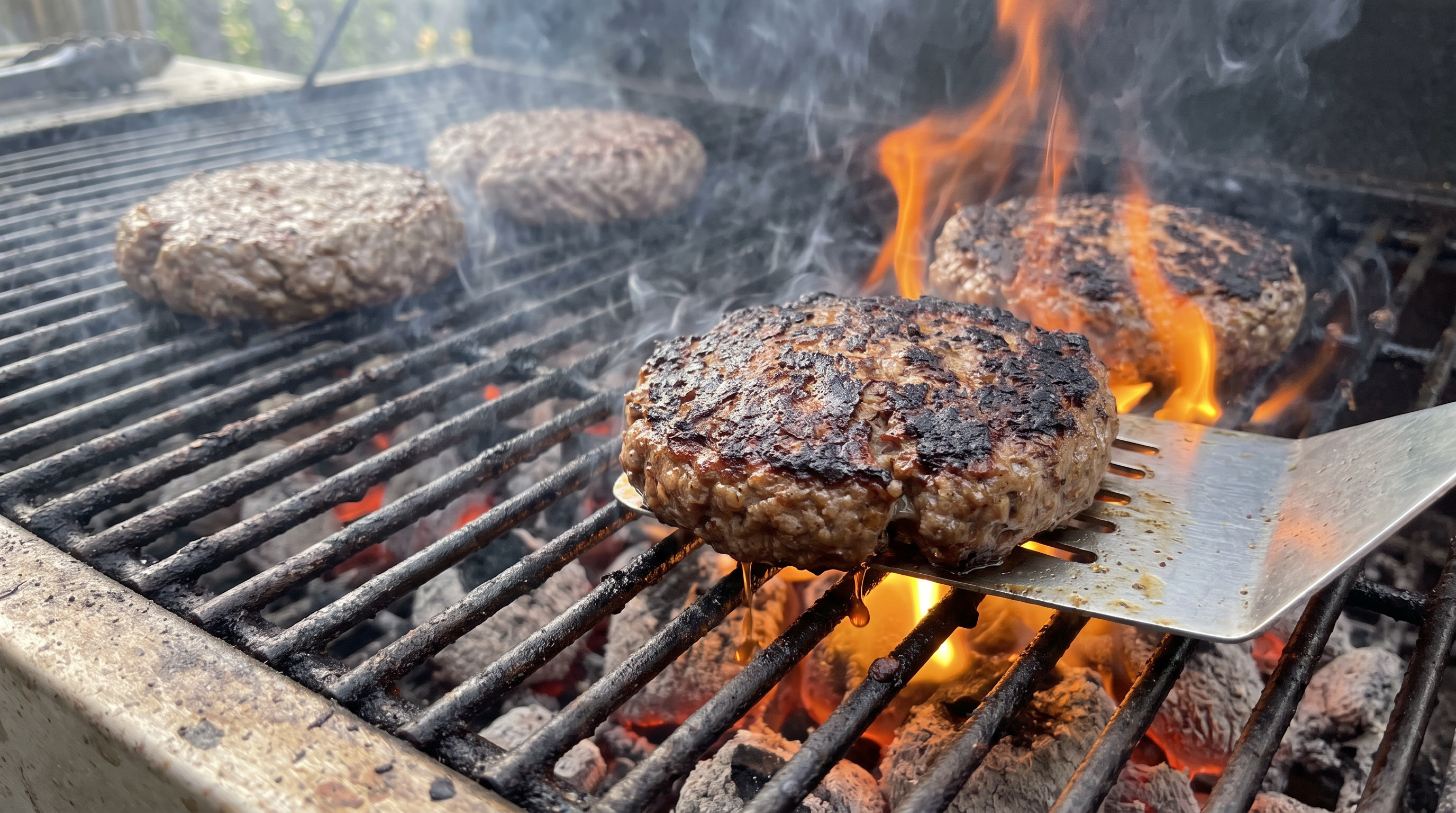
Ground beef does require more caution than a steak. Because grinding can distribute surface bacteria throughout the meat, the USDA recommends cooking ground beef to 160°F. That is the official food-safety standard, particularly important for children, older adults, pregnant people, and anyone who is immunocompromised.
A pellet grill changes the cooking method more than the fundamentals. At a chamber temperature of around 225–250°F, patties cook indirectly in wood smoke, developing a deeper smoky flavor without the aggressive exterior char of direct grilling. Depending on thickness and starting temperature, expect roughly 30 to 60 minutes.
For the best of both worlds, smoke the burgers until they're about 10–15°F below your desired finishing temperature, then move them to a hot grill, cast-iron surface, or pellet grill sear zone for about 60–90 seconds per side. You get the smoke, the crust, and—most importantly—a burger that is still juicy inside.
How to Cook Brisket on a Charcoal Grill (Low, Slow, and Patient)
Brisket on a charcoal grill works on an indirect setup: coals banked to one side, brisket on the other, lid closed, chamber temperature held around 225-250°F. As a starting estimate, many pitmasters figure roughly 1 to 1.5 hours per pound, but that number is a planning tool, not a finish line. A 12-pound brisket and a 14-pound brisket from the same fire won't necessarily hit the same internal temperature at the same minute mark, and most briskets hit a stall somewhere in the 150-170°F range where the surface temperature stops climbing for a while as moisture evaporates.
Pull brisket by feel and temperature, not the clock. Most pitmasters target 195-205°F internal, checked with a probe that should slide in with little resistance, which is the point where the connective tissue running through the flat and point has had enough time and heat to soften into something you can actually bite through.
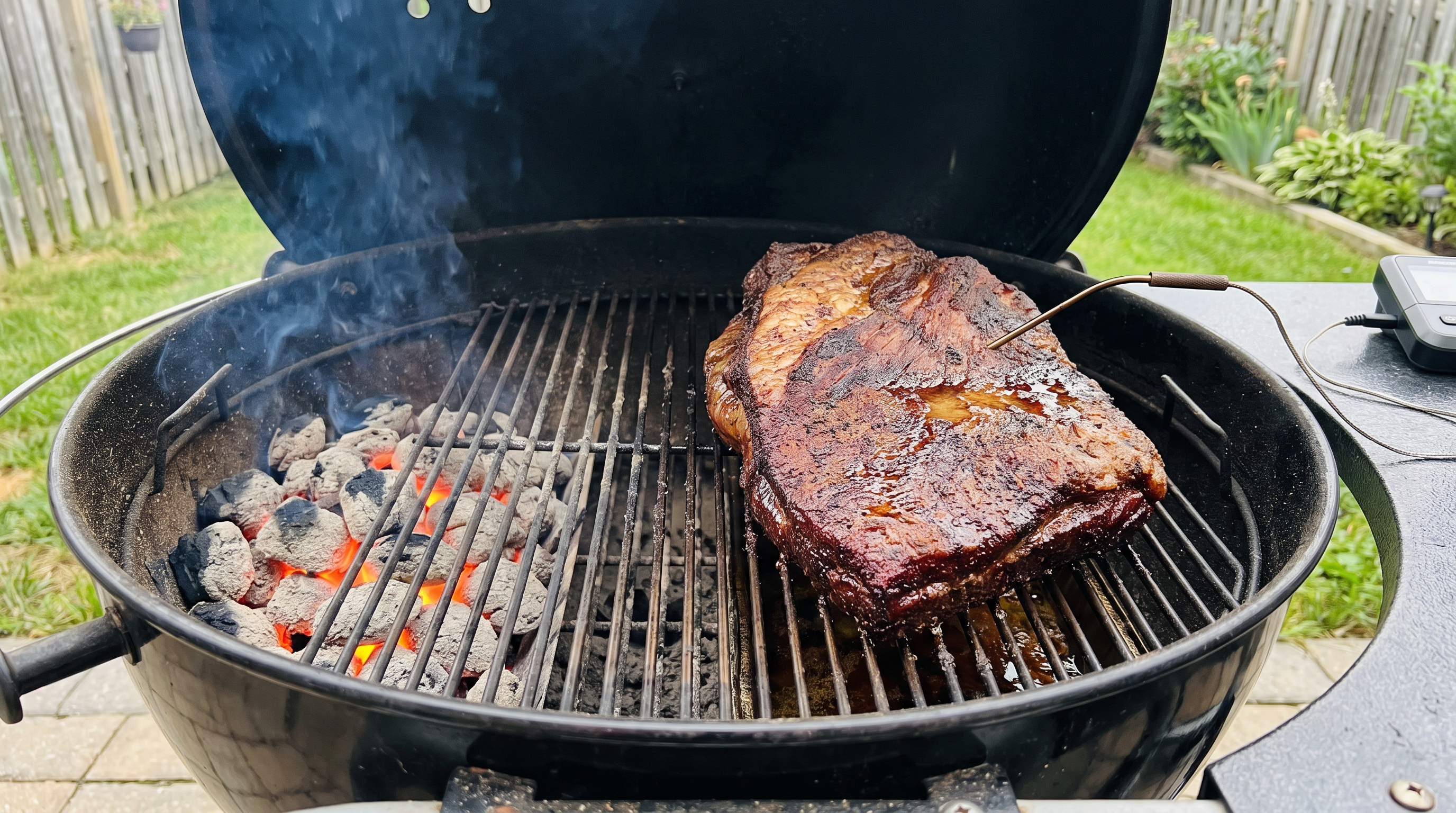
A thermometer doesn't lie to you the way a clock does.
How to Cook a Potato on the Grill (The Side Nobody Times Right)
A potato is easy to undercook on a grill because people time it like a steak instead of like the dense, starchy vegetable it is. Wrapped in foil over indirect heat on a grill running 400-450°F, a whole russet typically needs 45 to 60 minutes. Foil traps steam around the potato, which softens the interior a bit faster and more evenly, at the cost of a softer skin.
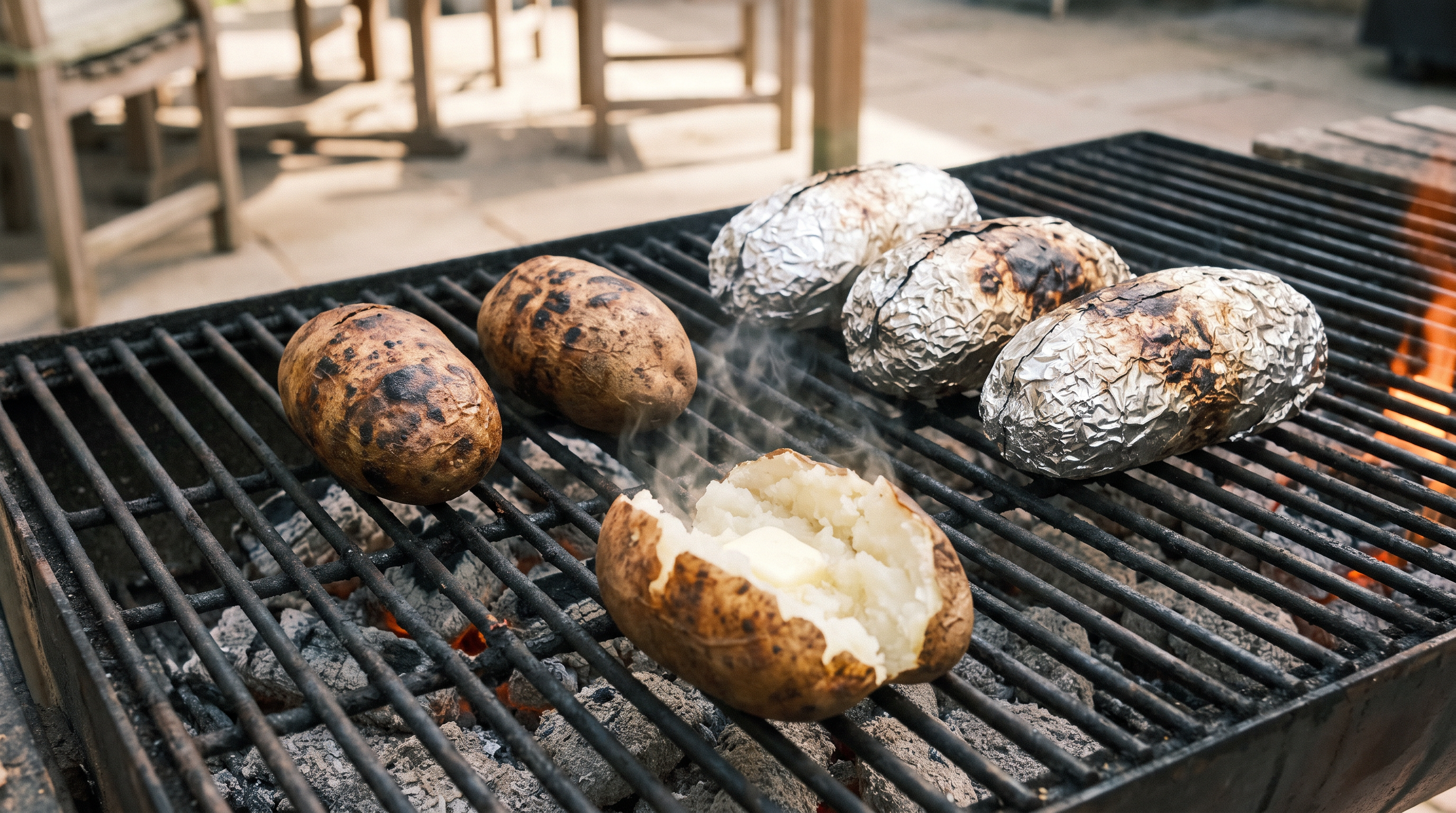
Putting the potato directly on the grate, unwrapped, gets you a crisper skin but usually takes longer and cooks less evenly, since one side sits closer to the heat unless you're rotating it. Either way, the real test is fork resistance through the center, or an internal temperature near 205°F where the starch has fully softened, not a timer set from habit. Parboiling the potato for 10 to 15 minutes before it goes on the grill is a common way to shorten either method.
Why the Bundle Approach Makes Sense for Practicing Grill Times
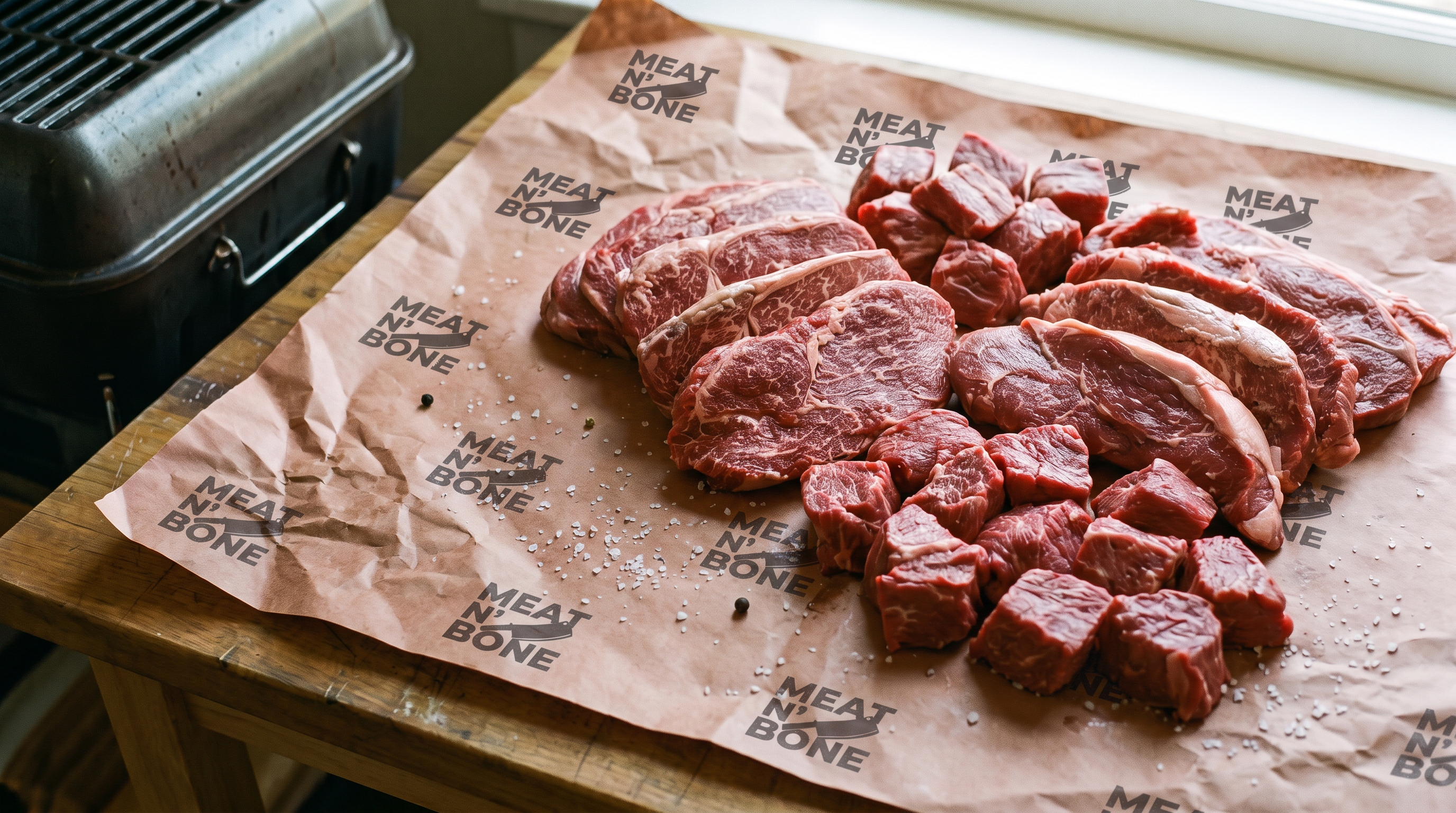
Ribeye, NY strip, and filet mignon behave differently on the same fire because of fat content and density, not because one is a "better" steak. Meat N' Bone's offers 10 oz ribeye and NY strip steaks with 16 oz filet mignon cubes, all USDA Choice or above, wet-aged 30+ days, sourced from the US Midwest and hand-cut in Chicago. Cooking all three side by side, at the same fire, is one of the more direct ways to feel the difference thickness and fat make instead of just reading about it. Buy these products here
Why Meat N' Bone: Sourcing and Trim Standards Behind These Cuts
Grill time only matters if the meat underneath it is worth timing carefully. The steaks referenced throughout this guide, including the ribeye, NY strip, and filet mignon (buy them here), are sourced from the US Midwest, graded USDA Choice or above, and wet-aged for a minimum of 30 days before they're hand-cut in Chicago. After cutting, each cut is flash-frozen and individually vacuum-sealed, which locks in the aging work already done rather than letting it slide backward in transit. That's the same standard behind the filet mignon in the collection linked above, which is why the thickness and doneness guidance in this article holds whether you're grilling from that collection or comparing it side by side with a ribeye and strip. You can shop these products here
FAQ
How long do you grill a 1-inch ribeye for medium-rare? About 4 to 5 minutes per side over direct high heat, roughly 8 to 10 minutes total, but treat that as a starting estimate. Pull the steak once an instant-read thermometer hits 130-135°F at the center, then rest it 5 minutes before cutting, since carryover heat can raise the internal temperature a few more degrees off the grate.
What temperature should filet mignon be pulled off the grill at? Many cooks pull filet mignon at 130-135°F for medium-rare, the same target as ribeye and NY strip, since it's leaner and cooks faster relative to its thickness. The USDA's official safe minimum for whole-muscle beef is 145°F with a 3-minute rest; pulling lower is a common preference for whole-muscle cuts, not a USDA-endorsed number.
Is it safe to grill a burger to medium-rare like a steak? Not in the same way as a whole-muscle steak. Grinding beef can distribute bacteria from the surface throughout the patty, so the USDA recommends cooking ground beef to an internal temperature of 160°F. Many people prefer burgers cooked medium or medium-rare, but those temperatures carry more food-safety risk than 160°F. With a ribeye or strip steak, bacteria are generally concentrated on the exterior, where high-heat searing can destroy them.
How long does brisket take on a charcoal grill per pound? Roughly 1 to 1.5 hours per pound at a chamber temperature of 225-250°F is a common planning estimate, but total time varies with brisket size and a mid-cook stall where surface temperature plateaus for a while. The actual finish point is probe-tender at 195-205°F internal, not a fixed time per pound.
Do you need foil to grill a potato, or can you put it directly on the grate? Either works. Foil over indirect heat traps steam and softens the potato in about 45 to 60 minutes with a softer skin, while a potato placed directly on the grate takes longer and cooks less evenly but develops a crisper skin. Check doneness with a fork through the center or an internal temperature near 205°F rather than a timer.
What's the difference between grilling a hamburger on a pellet grill versus a gas or charcoal grill?
A pellet grill cooks burgers more slowly over indirect heat, typically around 225–250°F, giving the meat more time to pick up wood-smoke flavor and producing a gentler exterior crust. Gas and charcoal grills usually cook burgers hotter and faster over direct heat, creating a stronger sear and more char.
For the best of both worlds, you can smoke a burger on a pellet grill first, then finish it over high heat for a crust. Cooking time varies significantly with patty thickness, grill temperature, and desired doneness, so internal temperature is more reliable than the clock. The USDA recommends 160°F for ground beef; burgers cooked to lower temperatures, such as medium or medium-rare, carry a higher food-safety risk.
How many calories are in a grilled ribeye steak? Per USDA FoodData Central, a lean-only ribeye (boneless, trimmed to 0-inch fat, all grades, grilled) runs about 206 kcal, 28.11g protein, and 10.37g fat per 100 grams. Scaled to a 6oz cooked serving, lean-only, that's roughly 350 kcal, 47.8g protein, and 17.6g fat. A steak with visible fat left on, like a full 10oz ribeye, will run higher than these lean-only figures.
← Older Post Newer Post →