


The Best Gift for a Home Cook: Skip the Gadget, Give Them a Cut They'd Never Buy Themselves
A good cook doesn't need another gadget. They already own the immersion circulator, the cast iron, the thermometer that syncs to their phone. What they don't have is a reason to cook something better than what's in their weekly cart. That's the gap a meat gift fills, and it's a better gift than almost anything else you can wrap.
What Actually Makes a Cut 'Gift-Worthy' (Not Just Expensive)
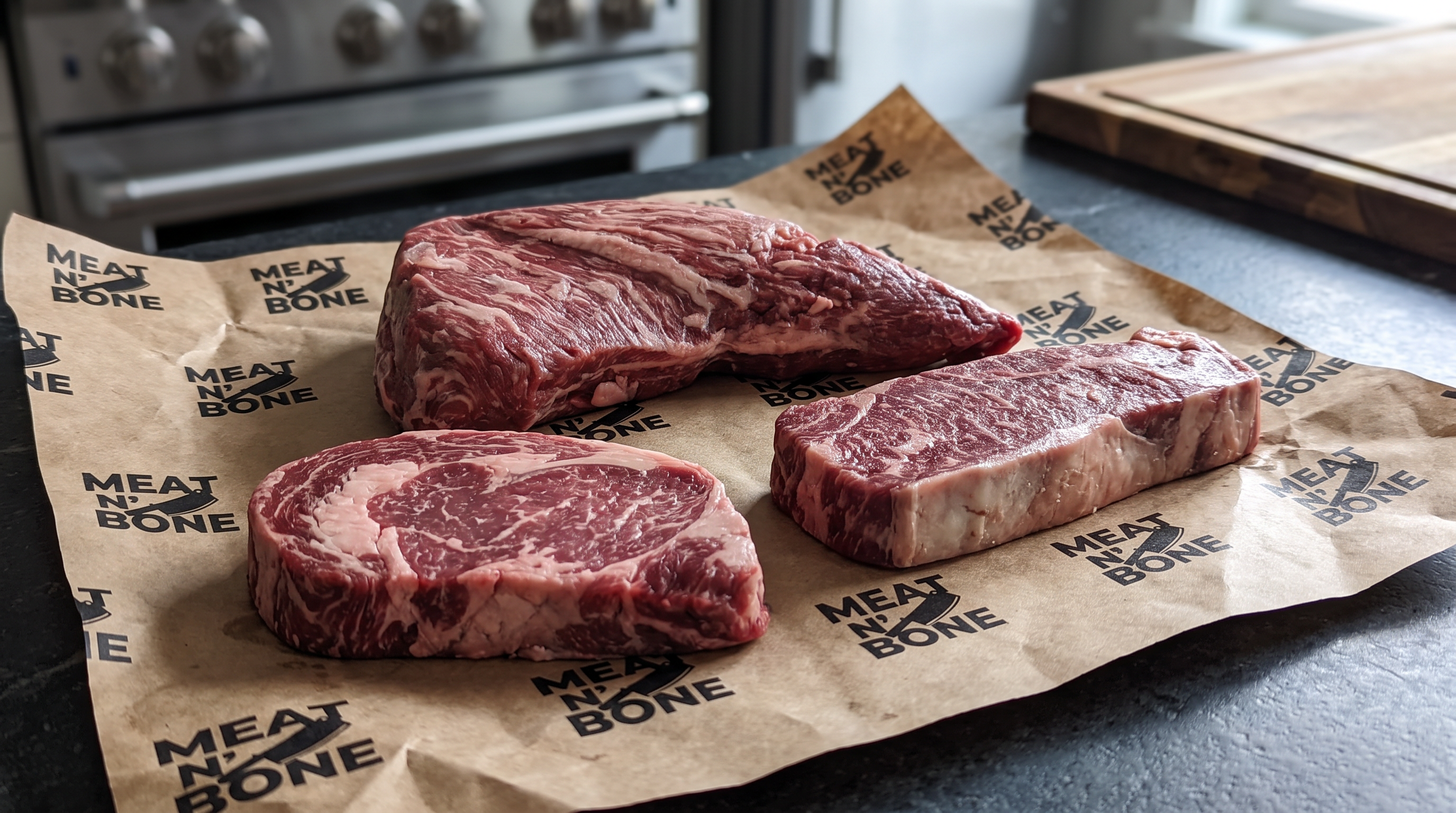
Price alone doesn't make a cut a good gift. A gift-worthy cut is one the person wouldn't buy on a regular Tuesday, either because of the cost, the size, or the fact that it demands a little more attention than a weeknight dinner allows. A tomahawk ribeye, a whole tenderloin, a well-marbled strip cut thick enough to reverse sear. These are cuts that ask the cook to slow down.
The other half of the equation is that the cut has to actually reward the extra attention. A well-selected steak, roast, or box of cuts gives a home cook something to plan around: a Sunday, a occasion, a chance to use the technique they've been reading about but haven't had the excuse to try. That's the difference between a gift that gets used once and one that gets remembered.
A good cook doesn't need another gadget. They need a reason to cook something they'd never buy for themselves.
Reading the Cook: Matching the Cut to How They Actually Cook
Before you pick a cut, think about how this person actually cooks, not how you wish they cooked. A few honest categories:
The griller. Someone who lives on their outdoor grill wants a cut that can take high heat and hold its structure: a thick-cut ribeye, a strip steak, a tri-tip. Cuts with a firmer bite and some fat cap tend to do well here.
The oven-and-cast-iron cook. If their kitchen setup leans indoor, a roast that benefits from a reverse sear or a low-and-slow finish, followed by a hard sear in a hot pan, gives them something to work with using tools they already have.
The still-learning cook. Someone newer to cooking meat well benefits from a cut that's forgiving: something with enough fat and thickness that a slightly early or late pull off the heat doesn't ruin dinner. Thinner, leaner cuts punish small mistakes. Thicker, better-marbled ones give more room for error.
The person who wants to be told what to do. Some people don't want to pick. For them, a curated box or collection, where someone else has already done the selecting, removes the decision entirely and lets them just cook.
Reading the cook matters more than reading a price tag. The right match makes the gift feel considered instead of generic.
Finding the Right Budget Sweet Spot: What That Range Actually Buys You
A modest, focused budget sits in a useful zone for a meat gift. It's enough to move beyond a single grocery-store steak into something with real weight and occasion behind it, but it stops short of the kind of spend that puts pressure on the moment or makes the gift feel like it's trying too hard.
In that range, you're generally looking at one or two substantial cuts, a small multi-cut set, or an entry point into a curated box. It's enough for a proper dinner for two, or a centerpiece cut for a small gathering. Meat N' Bone's gift collection is built around exactly this range, so the browsing is already narrowed to cuts that fit the budget without pushing you toward add-ons to hit a minimum.
How to Present It (Because Presentation Is Half the Gift)
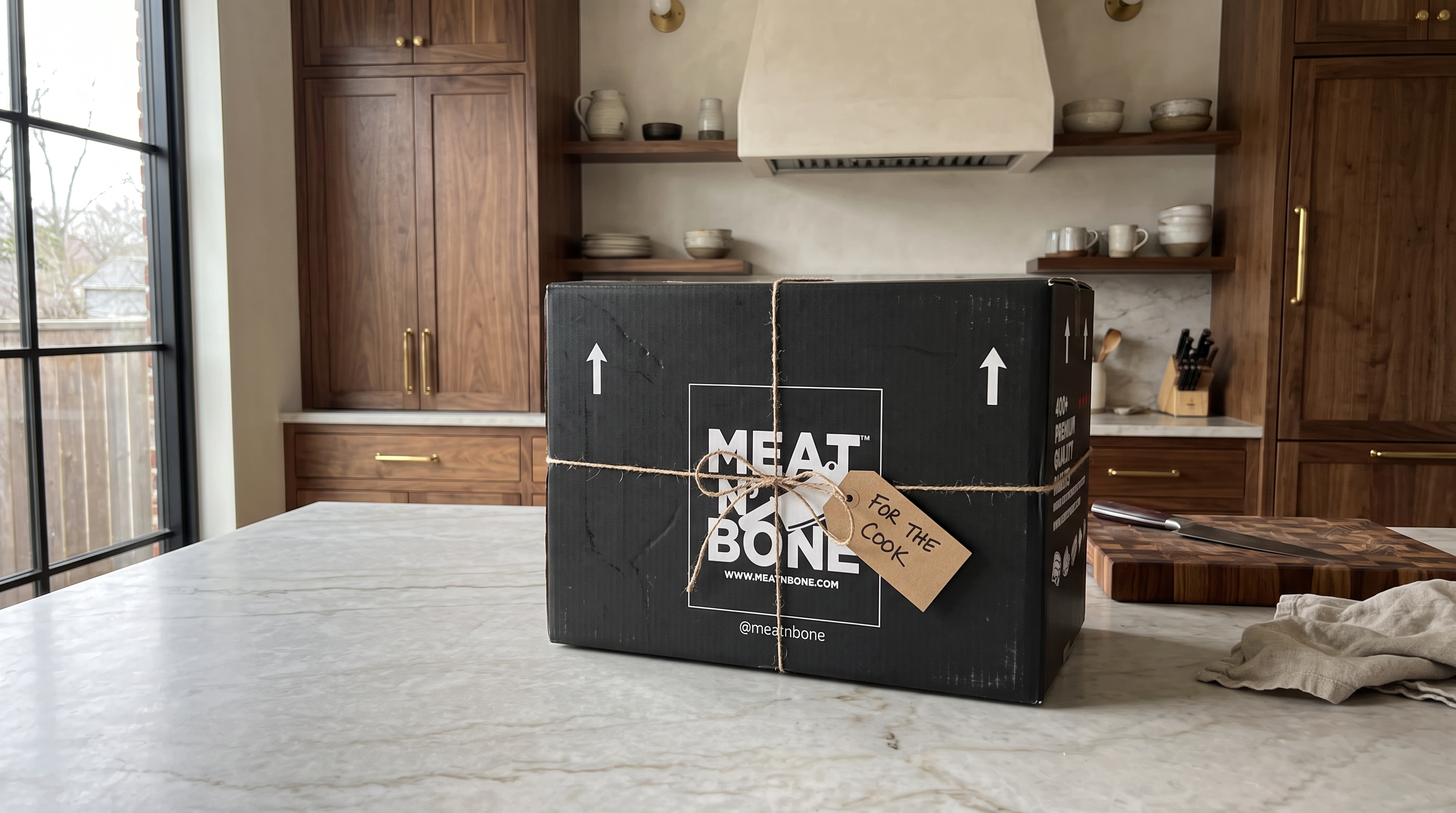
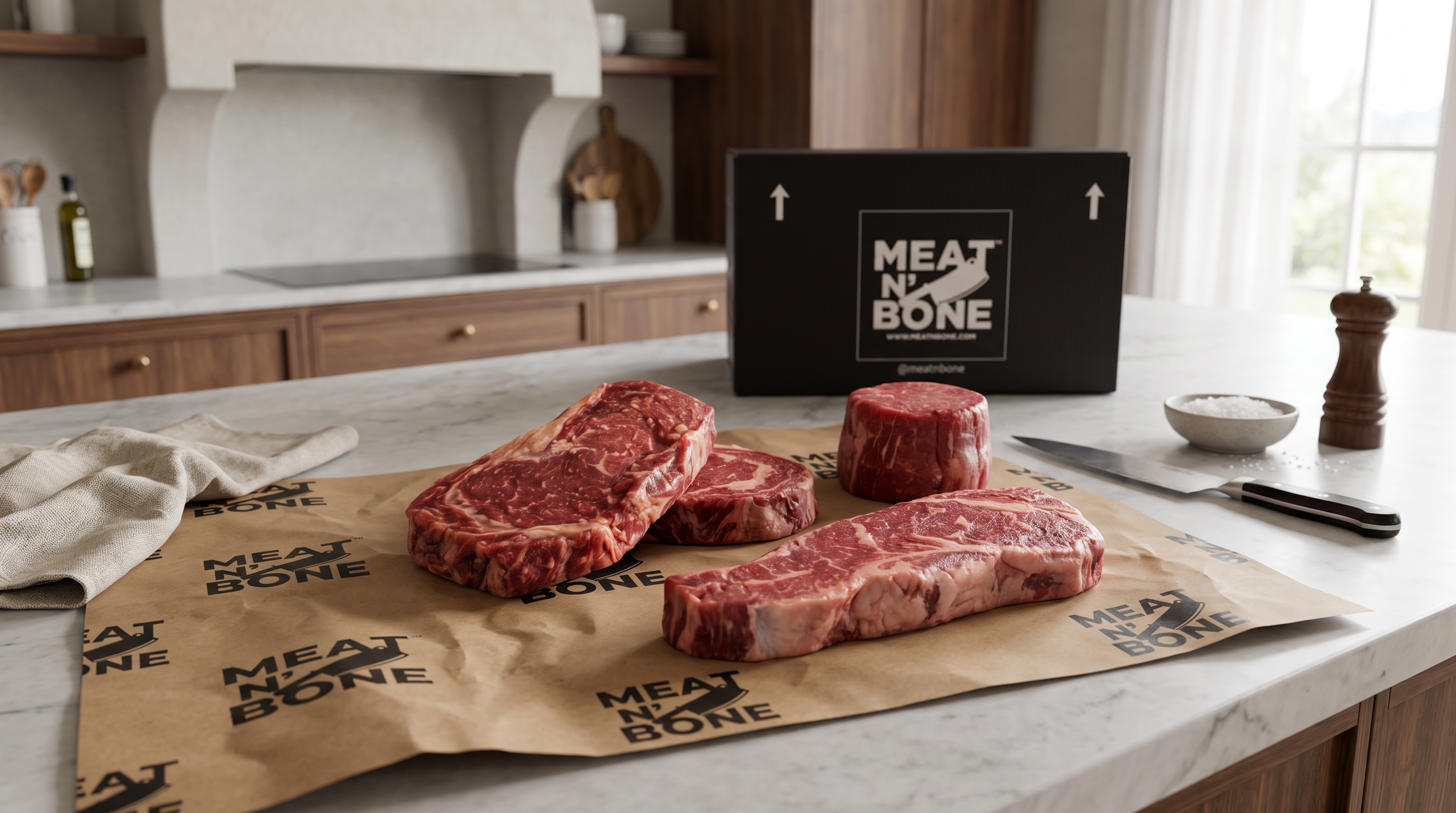
A cut of meat handed over in its shipping box doesn't read as a gift. The same cut, wrapped, labeled, and paired with even one small note about how to cook it, does. Presentation is what separates "I bought you food" from "I thought about what you'd actually want to cook."
A few low-effort ways to do this well:
- Keep it in butcher paper if it arrived that way, rather than transferring it to plastic wrap
- Include a card with the cut name and a suggested internal temperature, so the gift doesn't come with homework
- Pair it with something small and useful, a specific finishing salt or a cutting board they've mentioned wanting, rather than a pile of unrelated extras
- If you're gifting from the gift collection, consider printing the cut description that comes with it. It gives the receiving cook context without them having to look it up.
The best meat gift isn't the most expensive cut, it's the one that matches how they actually cook.
A Note on Timing: Shipping, Thawing, and Not Showing Up Empty-Handed
Meat gifts require a little more planning than a wrapped box off a shelf, mostly because of shipping and thaw time. Order with enough lead time that the cut arrives a few days before the occasion, not the morning of. That buffer protects against shipping delays and gives the recipient room to thaw properly rather than rushing it.
Once it arrives, a vacuum-sealed cut generally holds well in the refrigerator for a few days before cooking. If it's going to sit longer than that, the freezer is the safer bet. Before cooking, check the seal is intact, look for any discoloration or off smell, and when in doubt, don't cook it. A gift isn't worth a food safety risk, and any reputable butcher would rather you toss a compromised cut than eat around a bad seal.
If the occasion is further out, gifting the idea (a gift card, or a note that a box is coming) and timing the actual shipment closer to the date works better than letting a cut sit in a freezer for weeks before anyone touches it.
Why Meat N' Bone for a Gift Like This
A gift built around meat only works if the meat itself is worth the occasion. That means a cut with a clear story: what it is, how it was raised, why it's cut the way it is. Meat N' Bone's role in a gift like this is doing that selection work ahead of time, so what shows up wrapped on someone's counter is a cut that's actually worth the moment you're marking.
The gift collection exists for exactly this kind of gifting: a real budget range, cuts substantial enough to build an occasion around, without requiring a guest to become an expert in beef grading before they can pick something.
Shop the Gift Collection
If you're shopping for a home cook and want to stay inside a sensible, generous budget, start with the gift collection. It's built for exactly this kind of gift: substantial enough to feel considered, sized to fit an actual budget, and ready to wrap.
FAQ
What's the best gift for a home cook who already has every kitchen gadget? A cut of meat they wouldn't normally buy for themselves. Gadgets pile up, but a well-selected steak, roast, or small curated box gives them a reason to actually cook something a notch above their weekday routine. It's a gift that gets used immediately rather than sitting in a drawer.
How much should I spend on a meat gift for a home chef? A moderate, focused budget is a practical range. It's enough for a substantial cut or a small multi-cut set that reads as generous, without the pressure that comes with a much larger spend.
Will a frozen meat gift arrive in time for a birthday or holiday? It can, if you order with a few days of buffer before the date rather than shipping the same week. Building in that lead time protects against shipping delays and gives the recipient time to thaw the cut properly instead of rushing it right before cooking.
What cuts make the best gift for someone who's still learning to cook? Thicker, better-marbled cuts tend to be more forgiving of a slightly early or late pull off the heat. Leaner, thinner cuts punish small timing mistakes more, so they're a harder starting point for someone newer to cooking meat well.
Should I gift a specific cut or let the person choose from a collection? Both work, and it depends on the person. If you know their cooking habits well, a specific cut matched to how they actually cook makes the gift feel considered. If you're not sure, a curated collection lets them pick without you guessing wrong.
How do I store a meat gift if it arrives before I'm ready to cook it? A vacuum-sealed cut generally holds in the refrigerator for a few days before cooking. If you need more time than that, move it to the freezer instead. Always check the seal and look for discoloration or off smell before cooking, and discard it rather than risk it if anything seems wrong.
Sources
*USDA Food Safety and Inspection Service
← Older Post Newer Post →