


The Steak of Birds: Why Duck is the Protein You're Overlooking
Let’s be honest: most people treat poultry as a "compromise" protein. You eat chicken because it’s lean, or because it’s a Tuesday night and you’re bored. But what if I told you there’s a bird that eats like a NY Strip?
Welcome to the world of Duck, the "Steak of Birds."
At Meat N' Bone, we don’t do average. We don’t do "water-chilled" supermarket birds that shrink to half their size the moment they hit the pan. If you’ve been ignoring duck, you’re missing out on the most decadent, nutrient-dense, and versatile protein in the butcher shop. It’s time to stop treating duck like a "once-a-year restaurant treat" and start treating it like the powerhouse it is.
Duck 101: Why It’s Actually "Red Meat"
If you cut into a Whole Chicken, you see white meat and dark meat. If you cut into a duck, it’s all dark.
Why? It comes down to Myoglobin.
Myoglobin is the protein that delivers oxygen to muscles. Because ducks are migratory birds that actually use their muscles (unlike the stationary, factory-farmed chickens found in most grocery stores), their meat is packed with myoglobin. This gives the meat a deep, burgundy color and a flavor profile that is closer to a Picanha or a Short Rib than it is to a turkey.
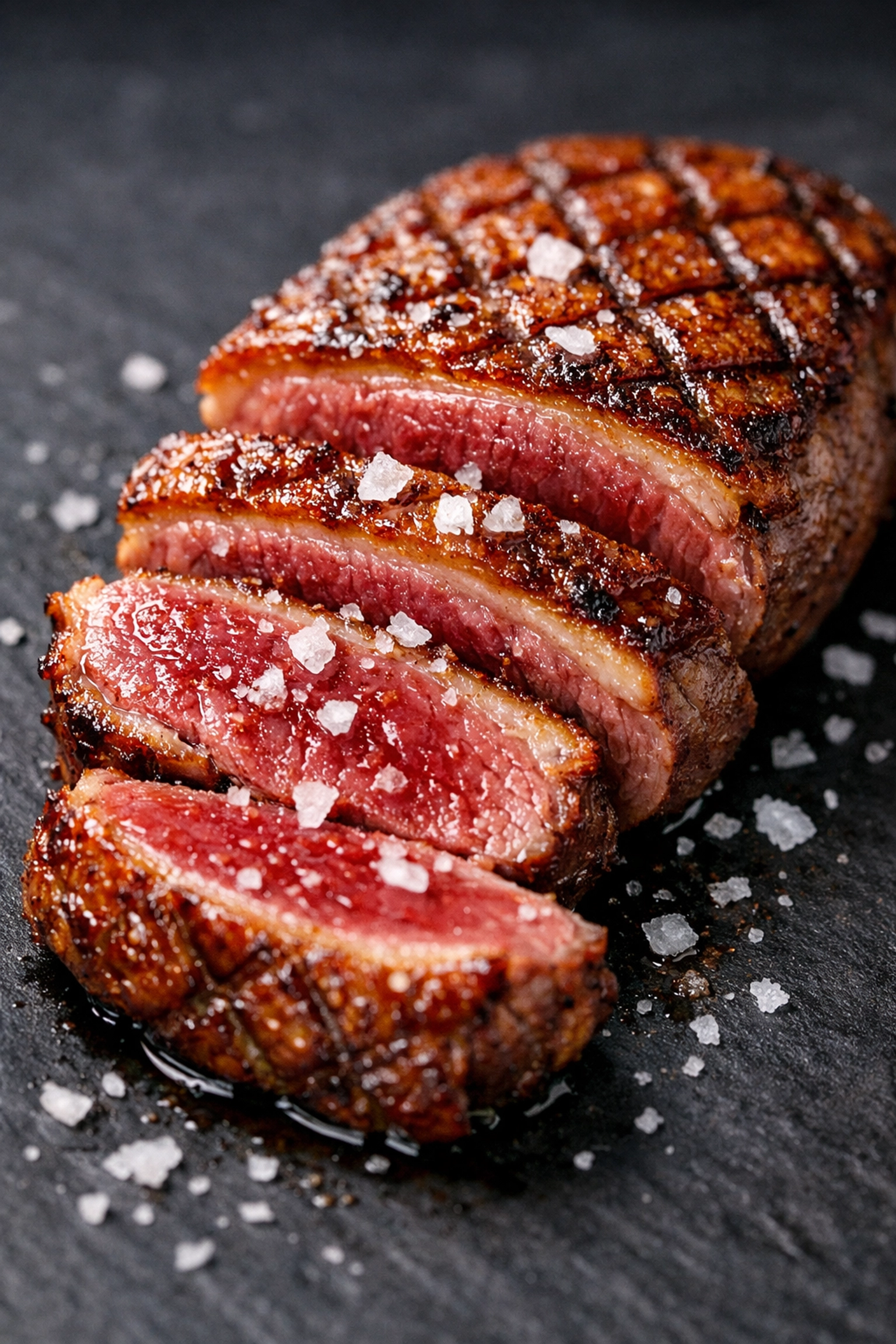
When you cook a duck breast, you aren't looking for "white through and through." You’re looking for a perfect medium-rare with a rendered, crispy crust. (Yes, you can eat duck medium-rare. In fact, if you don't, you're doing it wrong).
The Lineup: How to Do Duck Right
We don’t just sell "duck." We sell a curated selection of duck products that cover everything from a weeknight grill session to a high-end Sunday roast.
1. The Duck Breast (The "Steak" Experience)
If you’re a fan of a Filet Mignon, the duck breast is your new best friend. It is incredibly lean but capped with a thick layer of fat. When you score that skin and sear it properly, the fat renders down, basting the meat in its own juices. You get a crunchy, salty exterior and a tender, beefy interior.
👉 Shop: Duck Breast
“The secret to a perfect duck breast is the rendered fat.” — Gordon Ramsay.
2. The Whole Duck
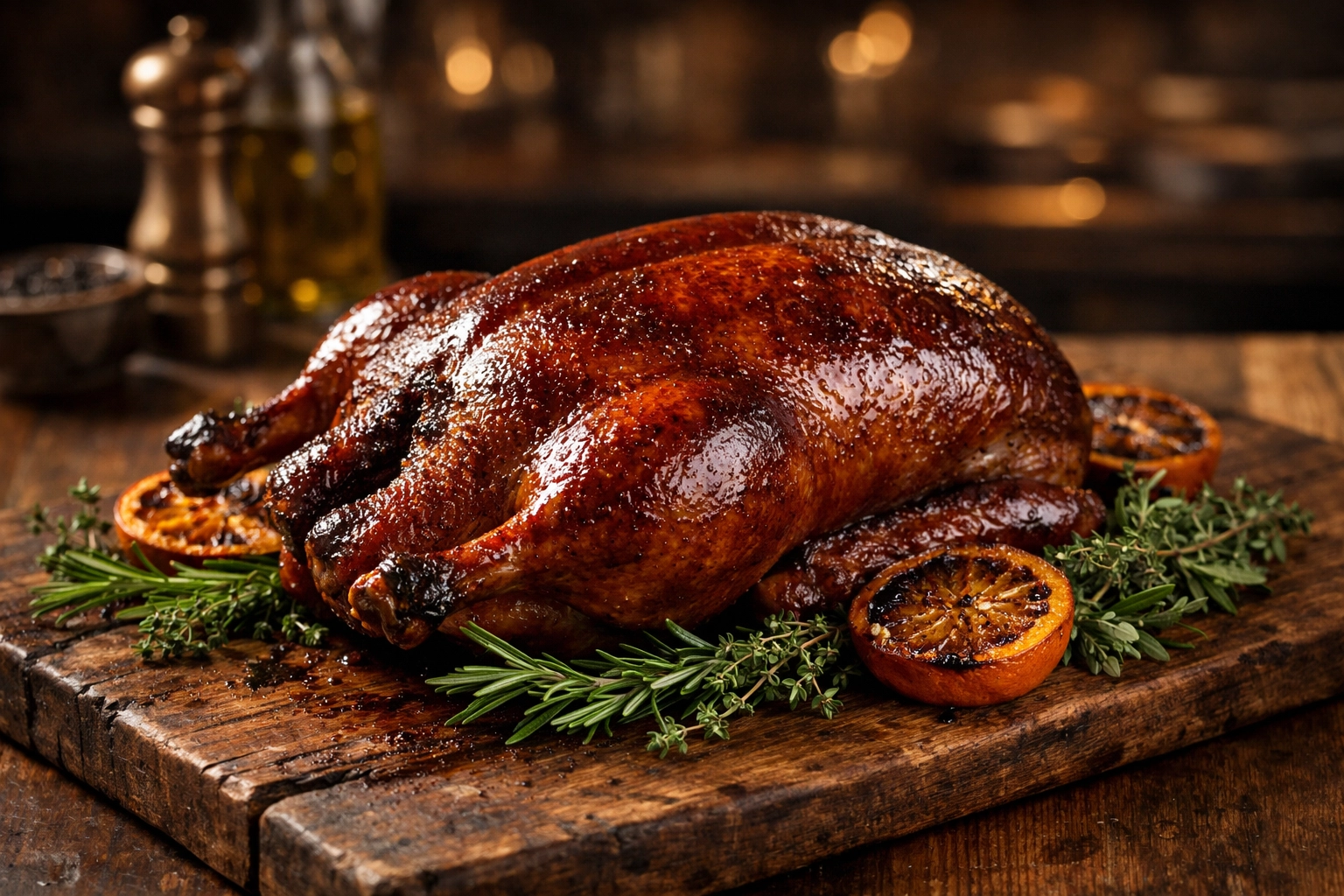
Roasting a whole duck is the ultimate flex. Unlike a turkey, which is notoriously difficult to keep moist, a whole duck is self-basting. As it roasts, the fat melts and coats the bird. The result is a centerpiece that has more flavor than any other poultry on the planet.
👉 Shop: Whole Duck
3. Duck Sausage
Looking for an upgrade to your standard Chorizo? Our duck sausage brings a level of richness that pork just can't match. It’s smoky, savory, and holds up incredibly well to high-heat grilling.
👉 Shop: Duck Sausage
4. Duck Eggs (The Chef’s Secret)
If you’re still using standard chicken eggs for everything, you’re playing on easy mode. Duck Eggs are the heavyweights of the dairy aisle. They are larger, have a much higher yolk-to-white ratio, and are significantly richer in fats and protein.
👉 Shop: Florida-Raised Duck Eggs
“Duck is a very exciting bird.” — Julia Child.
Duck 201: The "Liquid Gold" Factor
We can’t talk about duck without talking about Duck Fat. In the culinary world, we call this "Liquid Gold."
Most poultry fat is something you discard. Duck fat is something you treasure. It has a high smoke point (higher than butter), making it perfect for high-heat searing. But more importantly, it tastes incredible.
Pro Tip: Next time you’re making potatoes, ditch the oil. Roast them in duck fat. The potatoes will develop a crust that is more satisfying than any French fry you’ve ever had.
But it’s not just about taste. Research shows that duck fat is actually "healthier" than many other animal fats. It’s rich in monounsaturated and polyunsaturated fats: similar to olive oil: which can help maintain healthy cholesterol levels. It’s also loaded with Selenium and Vitamin B3 (Niacin). So, while it tastes like an indulgence, your body is actually getting a massive hit of bioavailable minerals.
“Duck fat is the best thing ever.” — Anthony Bourdain.
Why duck tallow hits different:
-
🔥 Crispier browning: Potatoes, root veggies, even a cast-iron sear on duck breast—tallow gives you that deep golden crust.
-
🧂 Flavor without heaviness: It’s richer than chicken fat, but cleaner than a lot of “generic” cooking oils.
- 🌡️ High-heat friendly: Great for roasting, pan-searing, and re-firing leftovers that deserve a second life.
👉 Shop: Duck Tallow
And yes, this is EXACTLY why duck confit is such a flex. You’re literally cooking in “liquid gold.”
Duck 301: The Duck Egg Advantage
Why are our Florida-Raised Duck Eggs consistently selling out? Because once you go duck, you never go back to "regular" eggs.
Here is the breakdown of why they win:
-
Baking Perfection: Because duck eggs have more fat and a thicker white, they make cakes rise higher and keep cookies moister.
-
Protein Punch: One duck egg contains about 9 grams of protein compared to 6 grams in a chicken egg.
-
Richness: The yolks are deeper in color (almost orange) and have a creamier texture.
- Creaminess: They contain more Omega-3 fatty acids, making them a "superfood" version of the breakfast staple.
Whether you're making a silky carbonara or just frying one up to put on top of a Vacio (Flap Meat), the duck egg is a massive upgrade.
Cultural Background (Because Duck Has Been That Bird)
Duck isn’t “new.” It’s just new to a lot of American weeknight cooking.
-
France (Gascony): This is the home turf for Duck Confit (slow-cooked in its own fat until absurdly tender) and Magret (duck breast from foie-raised ducks—famous for that rich, steak-like vibe).
- Imperial China: The OG special-occasion flex is Peking Duck—lacquered skin, crisped to perfection, served with pancakes, aromatics, and sauce. It’s not just dinner; it’s a ceremony.
When you buy a quality duck and render the fat correctly, you’re tapping into centuries of “this is how you do it” culinary tradition.
Sourcing Matters: The Meat N' Bone Standard
You can find "frozen duck" in some grocery stores, usually buried under a layer of frost in the back of the freezer. Don't buy it.
Most commercial duck is raised in cramped conditions and processed with water-chilling techniques. This means you’re paying for water weight, and the flavor is diluted.
At Meat N' Bone, our sourcing is different. We work with farms that prioritize:
-
Air-Chilling: We don't add water. You get 100% duck meat.
-
Natural Diets: No hormones, no antibiotics, and no "filler" feed.
- Ethical Raising: Ducks that have space to move result in better muscle development and a better fat profile.
We treat duck with the same respect we treat our A5 Wagyu. If it’s not the best version available, we won’t sell it. Period.
How to Cook Duck Like a Pro
If you’re used to grilling Ribeyes or Porterhouses, you already have the skills to cook duck.
The Golden Rule: Start in a COLD pan. Unlike steak, where you want a screaming hot pan to start, duck breast needs a cold start. Place the breast skin-side down in a cold cast-iron skillet, then turn the heat to medium. This allows the fat to render slowly without burning the skin.
Once that skin is thin and crispy (about 6-8 minutes), flip it, sear the other side for 2 minutes, and let it rest. Treat it like a steak: let those juices redistribute.
The Grill Move: If you’re using Charcoal, you can grill duck sausage or even duck breast halves over indirect heat. The smoke from the charcoal pairs beautifully with the natural gaminess of the duck.
Perfect Pairings (Make It Feel Like a Bistro Meal)
Duck is rich, so pair it like you mean it—bright acid, deep fruit, and sides that love rendered fat.
Wine 🍷
-
Pinot Noir: High acidity + red fruit = perfect with duck breast (especially medium-rare).
- Merlot: If you want richer, rounder, and more “steakhouse” vibes.
Sides 🧂
-
Root vegetables: Parsnips, beets, turnips—duck loves earthy sweetness.
-
Balsamic-glazed carrots: Sweet-tang balance for that rich meat.
-
Potatoes roasted in duck tallow: Non-negotiable. Crispy edges, creamy centers, game over.
👉 If you’re doing this properly, use Duck Tallow.
Ready to Level Up?
Duck isn't just for French bistros or high-end Chinese spots. It's for the home cook who is tired of the same old proteins and wants something that actually tastes like meat.
Whether you're looking for Pasture-Raised Eggs to revolutionize your breakfast or a Whole Duck to anchor a dinner party, we’ve got you covered.
Stop settling for the "chicken of the sea" or the "chicken of the grocery store." It's time to try the Steak of Birds.
Shop the Collection:
← Older Post Newer Post →